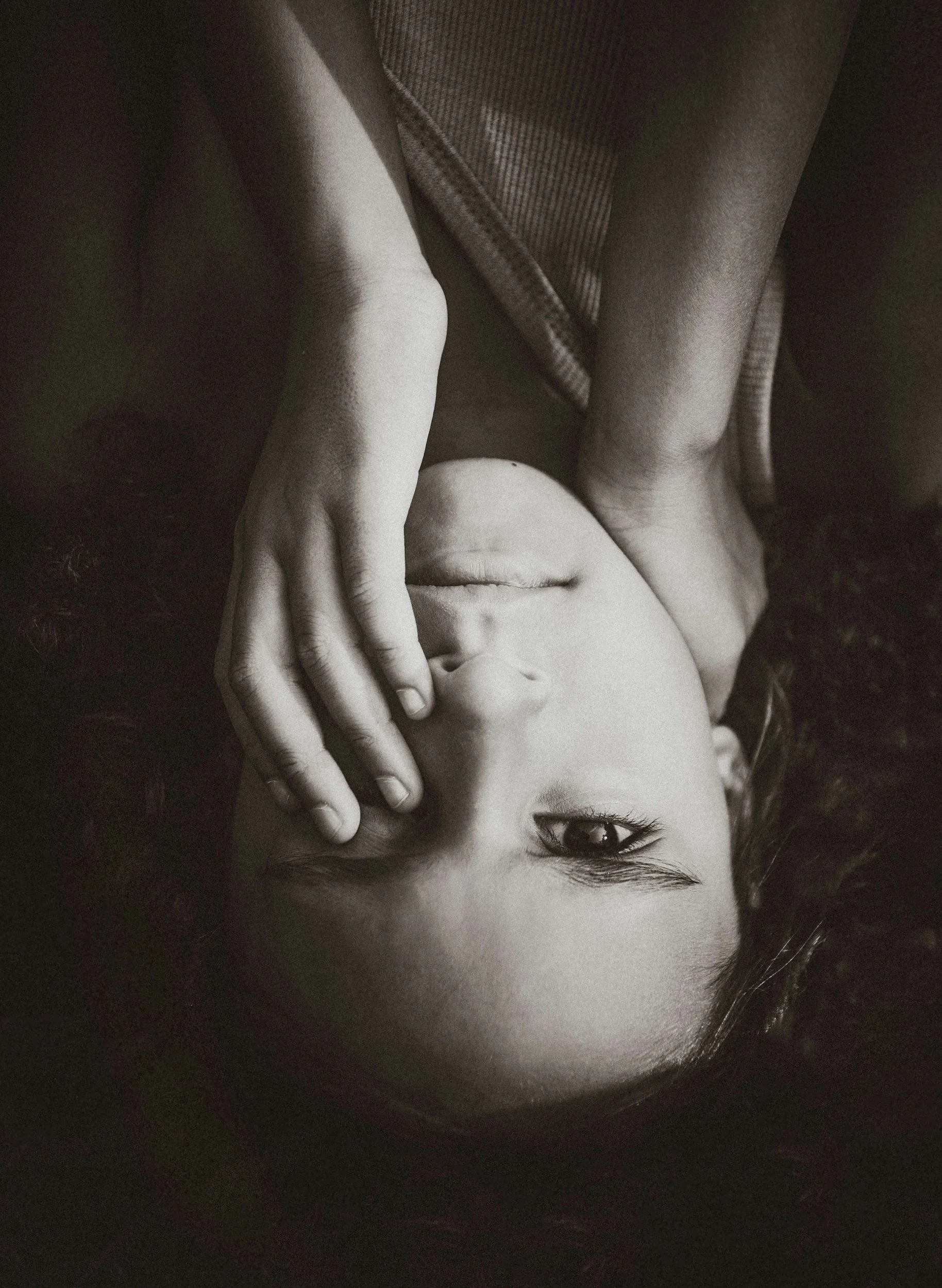
We have a word for becoming an adolescent: adolescence.
We have a word for becoming an adult: adulthood.
But for a long time, we had no widely recognised word for the profound transformation of becoming a mother.
That word is matrescence.
Coined by medical anthropologist Dana Raphael in the 1970s, matrescence describes the complex process of becoming a mother. It is not a single moment, nor does it happen only when a baby is born. It is a transition that can unfold over months and years, touching the body, mind, relationships, identity and sense of self.
More than becoming a parent
Motherhood is often portrayed as something instinctive: a woman gives birth, holds her baby and naturally knows what to do.
But the reality can be much more complicated.
Becoming a mother can involve profound changes in how we see ourselves and how we relate to the world. Our priorities shift. Our relationships change. Our bodies feel different. Our relationship with work, freedom, sexuality, friendships and family may be transformed.
We may feel deep love and gratitude while also experiencing grief, frustration, uncertainty or a longing for our previous life.
These feelings are not contradictions. They can coexist.
Matrescence invites us to understand motherhood not simply as a role we assume, but as a developmental transition that deserves time, recognition and support.
The body changes, and so does the self
Pregnancy, birth and postpartum bring extraordinary physical changes. Hormones fluctuate, sleep patterns change, the body recovers and adapts, and the demands of caring for a baby can be relentless.
At the same time, a woman may find herself revisiting her own childhood, her relationship with her mother or the ways she was cared for.
Becoming a mother can bring old memories and family patterns closer to the surface. Some women feel newly connected to their mothers; others become more aware of difficult or painful experiences.
For some, motherhood opens a new understanding of their own history.
Why can matrescence feel so disorienting?
Major life transitions often involve a period when the familiar no longer quite fits, while the new has not yet fully taken shape.
This can be especially true in motherhood.
You may love your baby and still miss your independence. You may feel grateful and exhausted. You may be confident in some moments and completely lost in others.
There can also be pressure to appear happy, capable and fulfilled. When the reality feels more complicated, women may wonder whether something is wrong with them.
But becoming a mother is not a performance. There is no single correct way to experience it.
Recognising matrescence can help women find language for their experience and understand that uncertainty, change and mixed emotions can be part of this transition.
Matrescence needs a village
In many societies, motherhood was traditionally surrounded by extended family and community support. Women were cared for by other women who had already travelled through similar transitions.
Today, many mothers experience this transformation in relative isolation.
Recognising matrescence means recognising that mothers need support too. They need spaces where they can speak honestly, receive practical help, explore their changing identities and be met without judgement.
Partners, families, communities and professionals all have a role in creating these spaces.
You are not losing yourself. You are becoming.
There is no deadline for finding your new rhythm or identity. You do not need to return to who you were before motherhood, nor do you need to become an idealised version of who you think a mother should be.
You are allowed to change. You are allowed to grieve what has changed. You are allowed to discover new parts of yourself.
Matrescence reminds us that the birth of a mother is as worthy of attention, care and celebration as the birth of a baby.
At Naître Mère, I believe that women deserve to be accompanied through this transformation, not only through the physical experience of birth, but through all the ways motherhood reshapes a life.
A mother is born too. And she deserves to be held.