
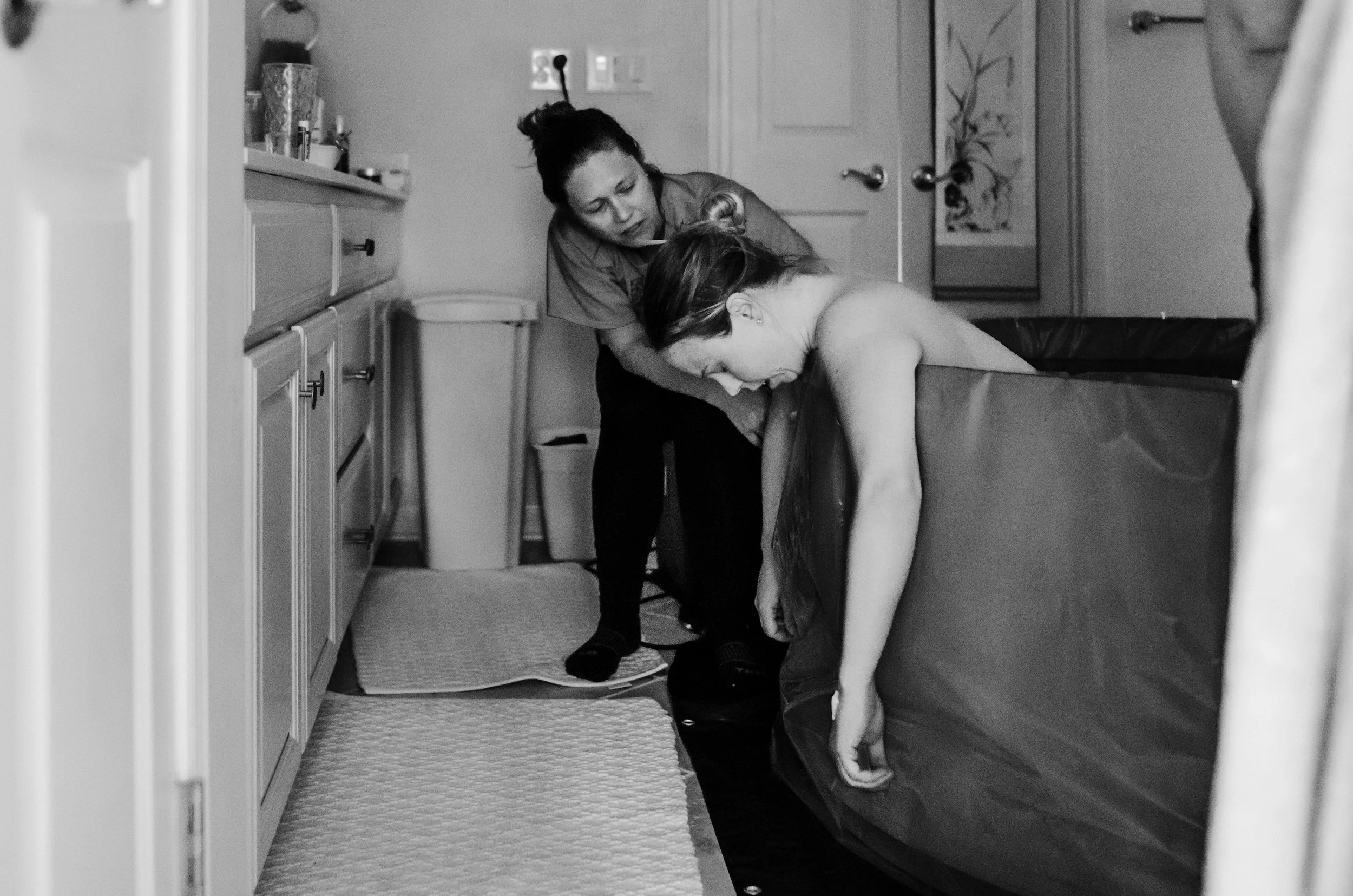
When preparing for birth, many parents hear about doulas but are not always sure what a doula actually does. Is a doula a birth coach? A midwife? Someone who holds your hand during labour?
The answer is a little more nuanced.
A birth doula offers continuous, individualised emotional, physical and practical support to a woman and her family during pregnancy, birth and the transition into parenthood. A doula does not replace a midwife or doctor, and does not perform clinical tasks. Instead, she brings something different: a familiar, trusted presence whose attention remains centred on the birthing person and their experience.
Preparing for birth together
The relationship with a doula usually begins during pregnancy. These meetings offer time and space to explore what birth means to you, what you hope for, and what might feel frightening or uncertain.
Together, we can:
Explore your expectations, preferences and concerns.
Understand the physiology and different stages of labour.
Discuss possible birth settings and interventions.
Prepare a birth preferences document.
Explore movement, breathing, touch and comfort measures.
Consider your partner's role and how they can participate.
Begin thinking about the first days and weeks after birth.
Preparation is not about trying to control birth. Birth can unfold in many different ways. It is about developing confidence, understanding your options and having resources to draw upon when things do not go as expected.
What happens when labour begins?
During labour, a doula offers continuous support, adapted to the needs and wishes of the birthing person. This might mean offering a reassuring presence, suggesting a change of position, providing massage or counter-pressure, encouraging movement, helping create a calm environment, or simply being quietly present.
Depending on your preferences, support may include:
Breathing and relaxation techniques.
Massage and gentle touch.
Rebozo techniques and positioning.
Encouragement and emotional reassurance.
Support for your partner.
Help communicating questions and preferences to the maternity team.
Sometimes the most valuable thing a doula does is very simple: she is present.
She knows your story, remembers what matters to you, and can help you feel less alone in an unfamiliar or intense environment.
What about my partner?
A doula does not take the place of a partner. In fact, one of the beautiful aspects of doula support is that it can help partners feel more confident and involved.
Partners may want to help but feel unsure what to do. A doula can suggest practical ways to offer comfort, explain what may be happening and reassure them that they do not need to have all the answers.
Birth becomes something the family experiences together, with additional support around them.
And if birth does not go according to plan?
Birth is unpredictable. A planned home birth may become a hospital birth. An intervention may become necessary. Labour may be longer or more complicated than anticipated.
A doula cannot guarantee a particular birth outcome. What she can offer is continuity, emotional support and a familiar presence through changing circumstances. She can help you stay connected to your preferences, ask questions and feel accompanied, whatever unfolds.
Birth is more than a medical event
Birth is a physiological process, but it is also an emotional, relational and deeply personal experience. How a woman feels during birth matters.
Having someone whose role is dedicated to your wellbeing, comfort and emotional experience can make a meaningful difference to how supported you feel.
At Naître Mère, birth support is built around the belief that every woman deserves to be listened to, respected and accompanied in her own way.
You do not have to know exactly what you need before we meet. We can begin with a conversation.